Responsibility
Mining has taken more out of Africa than it has left behind.
That is the record this company is measured against, and the reason responsible practice here is a design decision rather than a report.
The record
01A century of value left the Copperbelt. Most of it never came back.
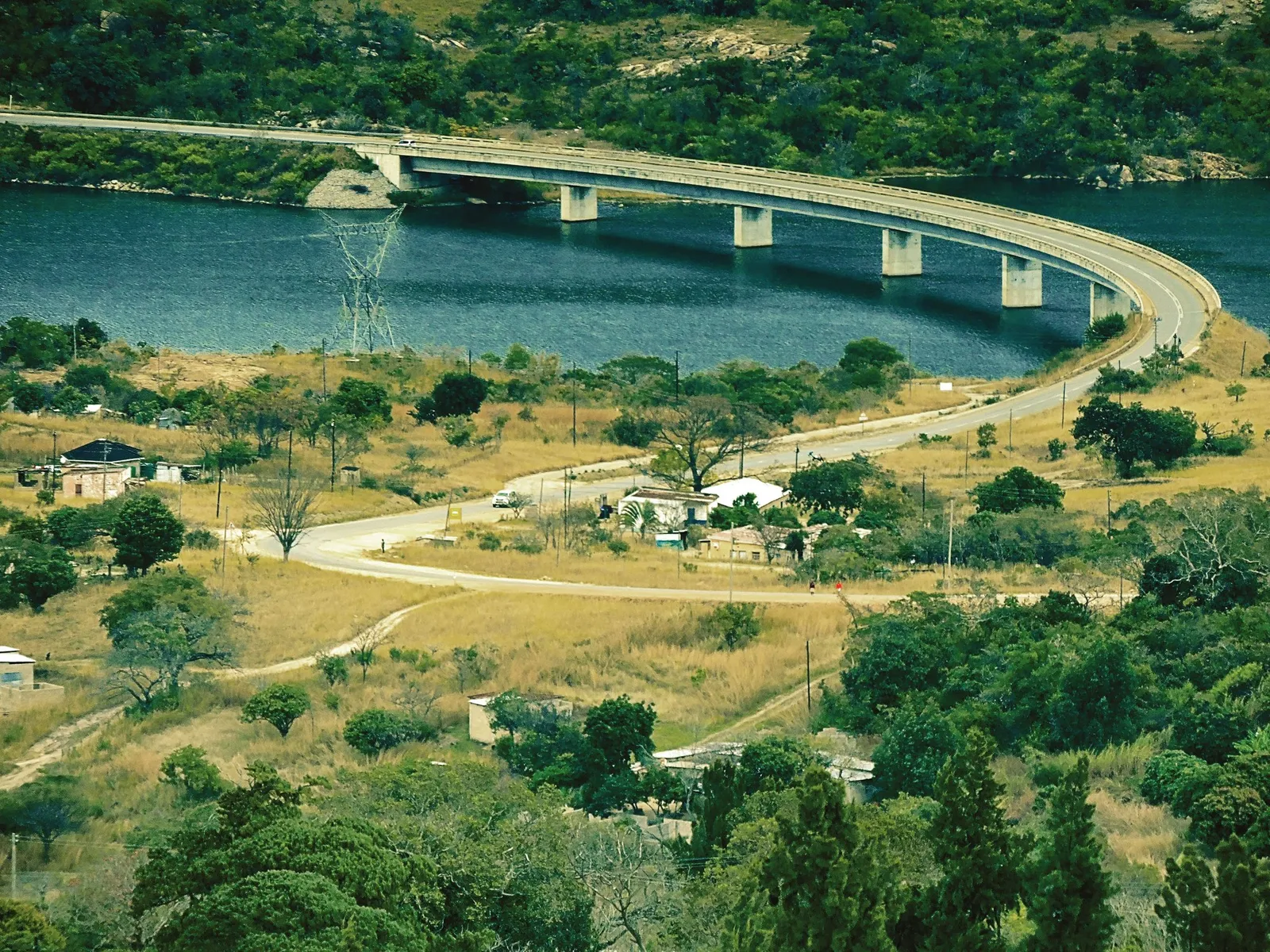
A century of extraction on the Copperbelt produced enormous value, most of it realised somewhere else. Communities that carried the cost of the industry rarely carried much of the benefit, and the ground was frequently left in a state nobody had budgeted to repair.
Bbabsal is a Zambian led company working on that ground. Responsible practice here is a design decision taken before the first programme, not a reporting obligation taken after it.
Safety
02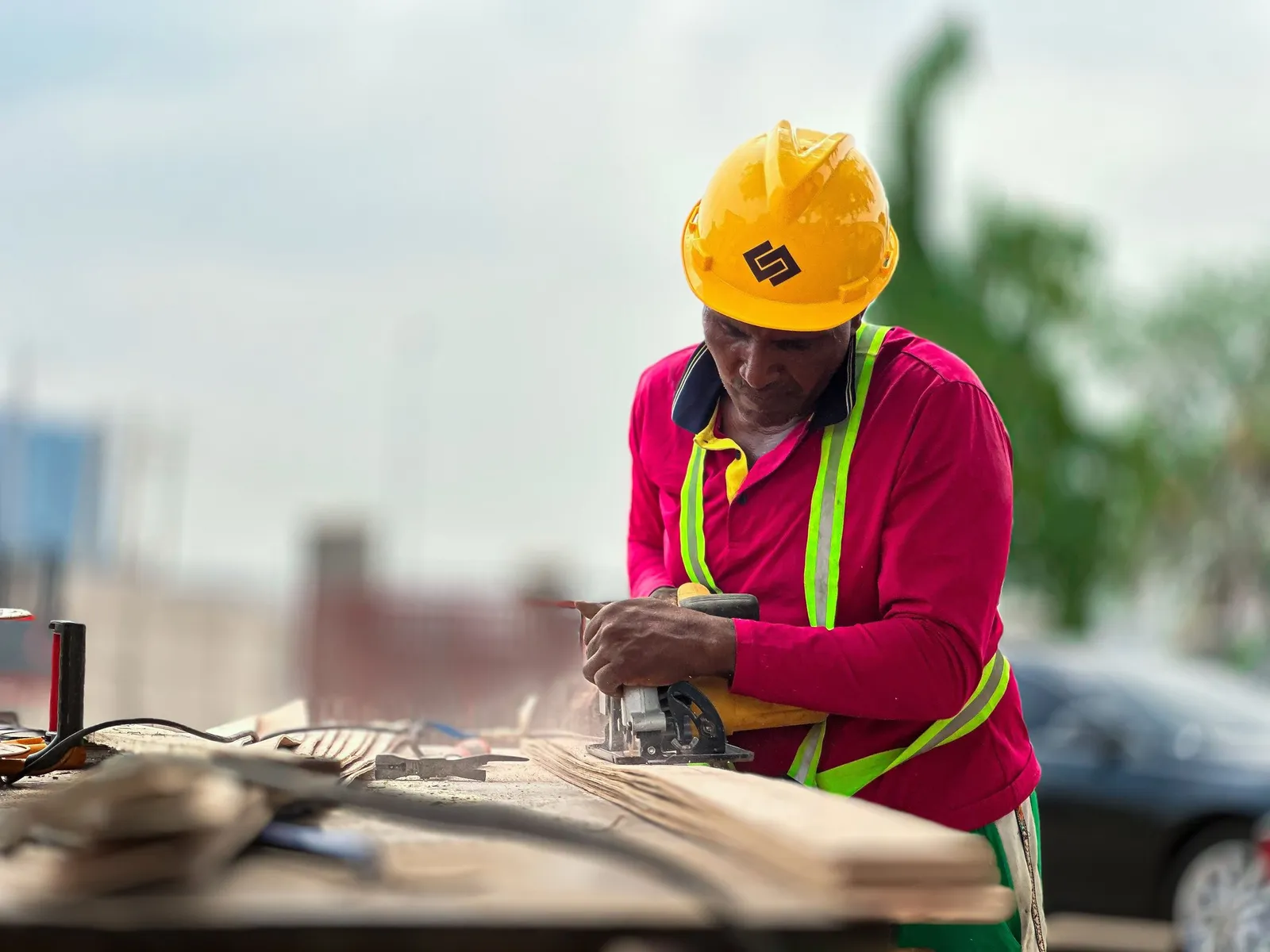
Nobody is hurt for a tonne
Exploration and processing are the two parts of this industry where people are most often injured, and both of ours are still being designed. Standards written before the first drill turns cost nothing. Standards retrofitted after an incident cost everything.
- Safety systems designed into operations, not added to them
- Contractors held to the standard we hold ourselves to
- Incidents reported and published, including the ones nobody would notice
Environment
03The ground outlasts the company.
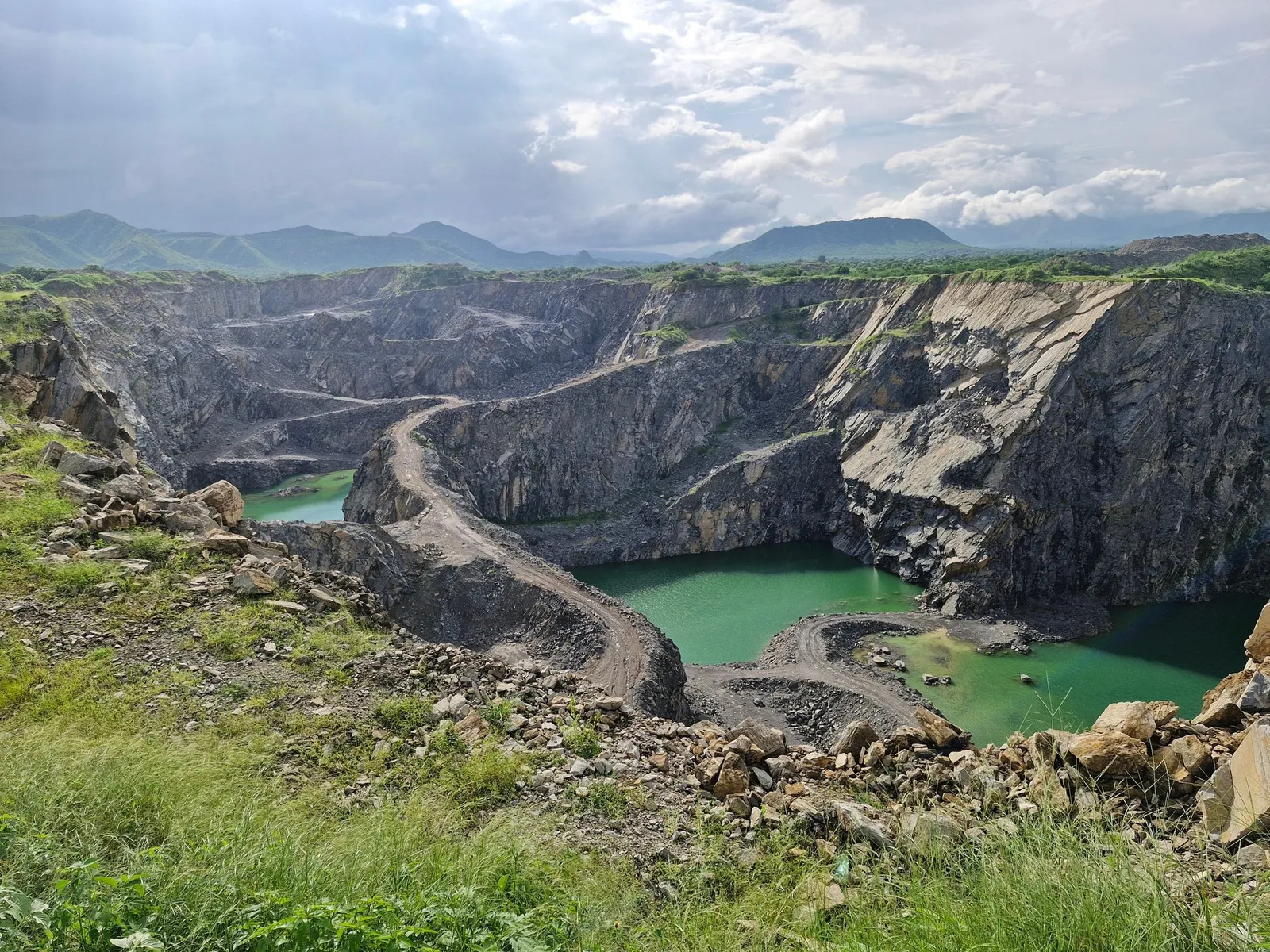
Copper is one of the materials the energy transition runs on, which does not entitle anyone to extract it carelessly. A supply chain that decarbonises the grid while degrading a watershed has moved the damage, not removed it.
- Water and land assessed before a programme starts, not after a complaint
- Rehabilitation costed into the plan rather than deferred to a successor
- Processing sited where power, permitting and environmental controls already exist
Africa
04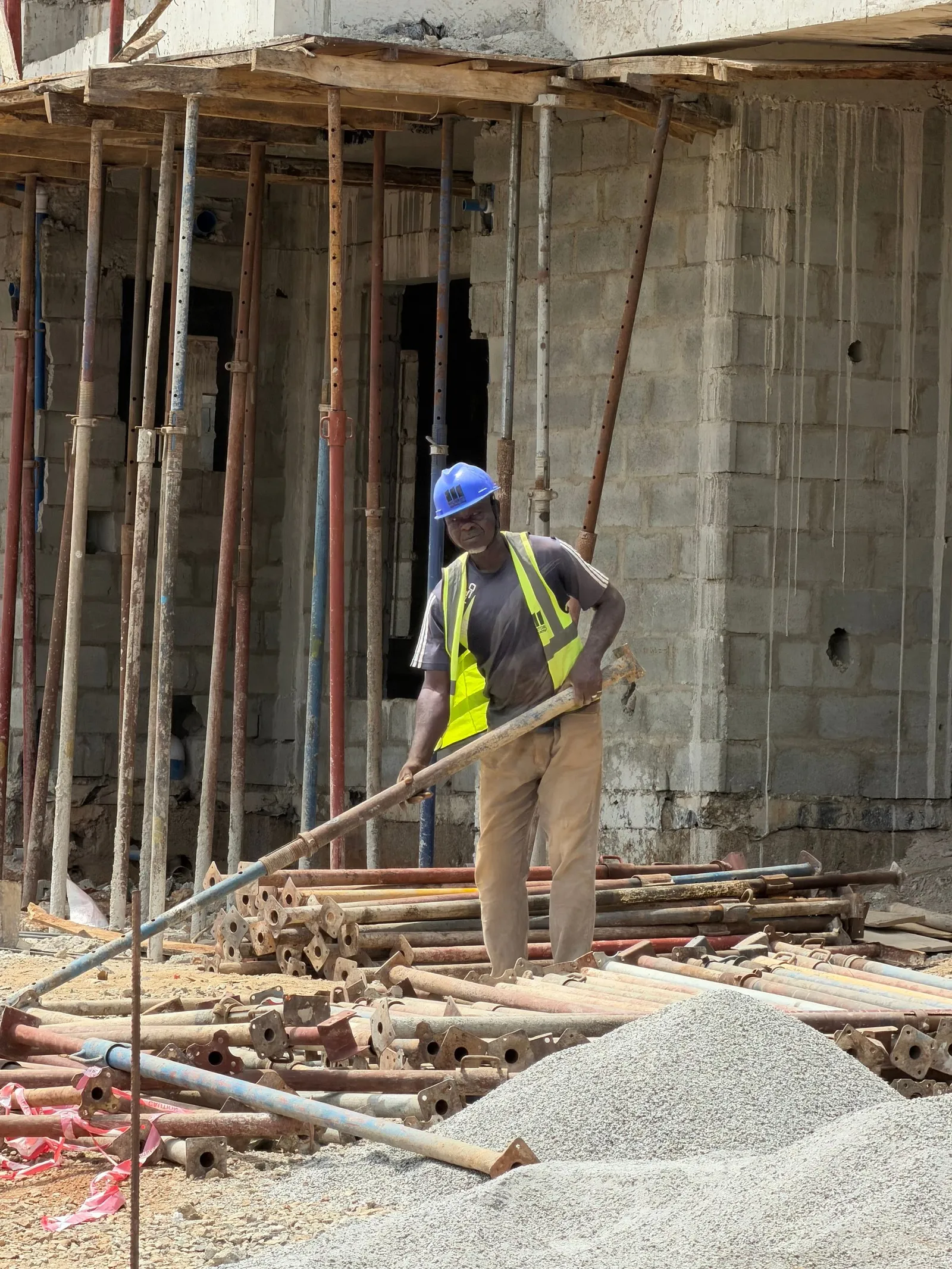
Value that stays
The measure of a mining company in Africa is not what it produces. It is what remains when it leaves: the skills, the infrastructure, the suppliers and the tax base.
- Local employment first, with training rather than imported crews
- Zambian suppliers used where they can meet the standard, and helped to meet it where they cannot
- Consent of the communities whose land the work crosses, treated as a licence rather than a courtesy
- Taxes and royalties payable where the ore is mined
These are commitments. Bbabsal is early enough that none of them has yet been tested at scale, and it will report against them rather than around them.
Reliability
05Ethical supply that cannot be delivered is not a supply chain.
Buyers of critical minerals are increasingly asked to evidence where their material came from. Traceability is only worth something if the tonnes also arrive.
Holding both ends of the chain is the argument for how Bbabsal is structured. A company that both explores and processes should know the provenance of its own feed and control more of what determines whether a delivery is made. That is the intention behind the structure. It is not a description of a delivery already made.