Investors
Capability is slow, capital intensive and heavily permitted.
Early stage and privately held. What follows is the position and the state of it.
Why now
01Demand moved. Capacity did not.
The grid, transport, data centres and defence began drawing on the same finite pool of refined copper at the same time, for reasons unconnected to each other. Primary refining in the United States had already contracted to a handful of plants.
A gap like that does not close by finding more ore. It closes by building capability, which is slow, capital intensive and heavily permitted. Those are the properties that make it painful to build and valuable to own.
Why this
02Position
Both ends, one company
Concentrate is sold into a refining market with few buyers, so the seller takes the price. The margin, and the security value governments now attach to it, sit in the refining. Holding both ends is the point, not a diversification.
Method
Order, not effort
Exploration is a ranking problem. Ranking ground before drilling it changes the cost of being wrong, which is the only cost that matters early.
Ground
A worked province
The Central African Copperbelt has been mined for a century. The easy answers went long ago, which is what makes method worth more than acreage.
Where we actually are
03- Exploration
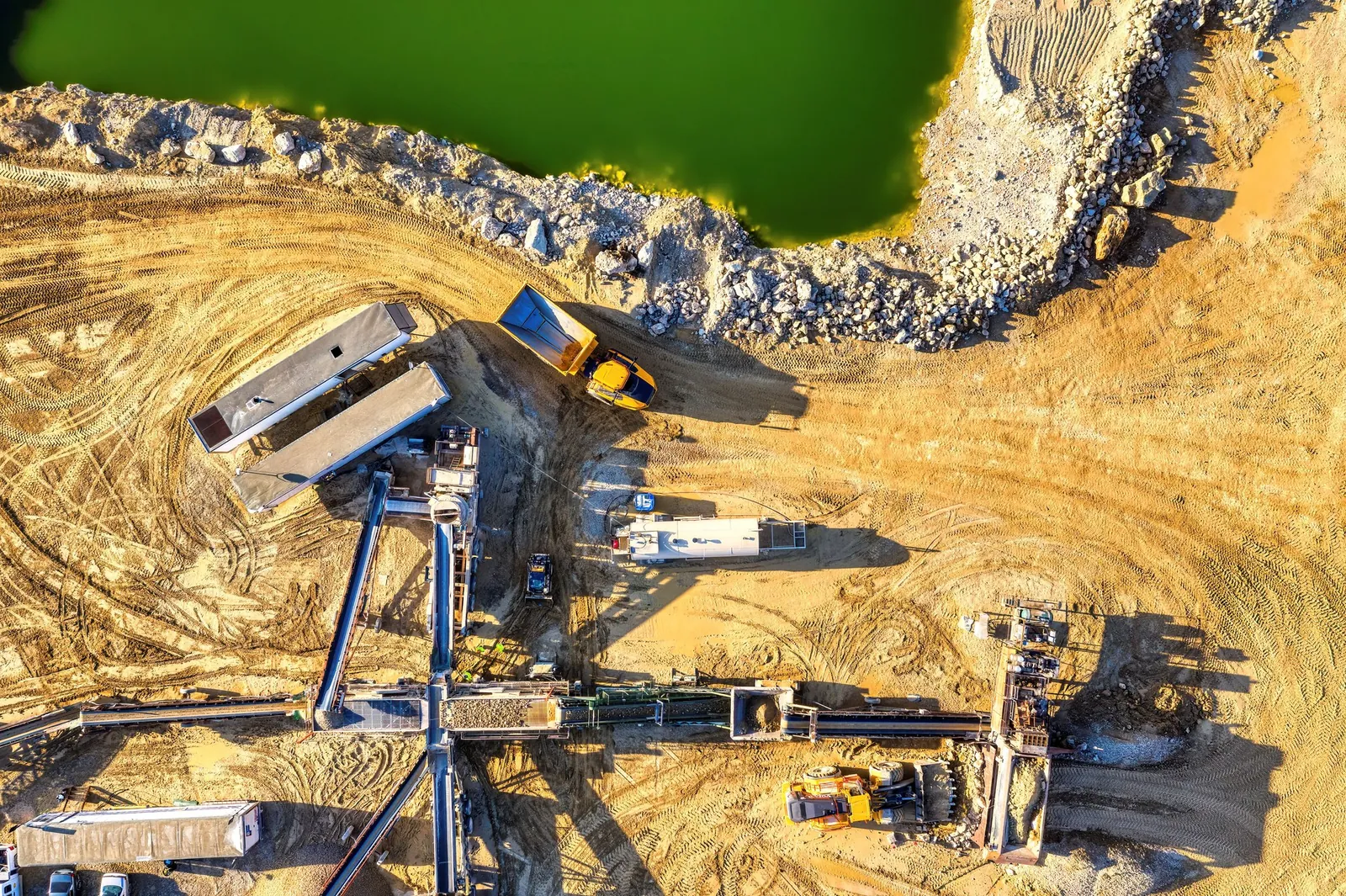
- Four government-allocated exploration licences on the Zambian Copperbelt, in a province that has produced copper for a century. In partnership with MinersAI, we apply geospatial machine learning to Zambia's 2024 national airborne geophysical survey, a USD 364 million dataset, to rank drill targets before capital goes into the ground.
- Recognition
- BHP Xplor 2026 finalist, selected from a global field, with technical input from BHP.
- Processing
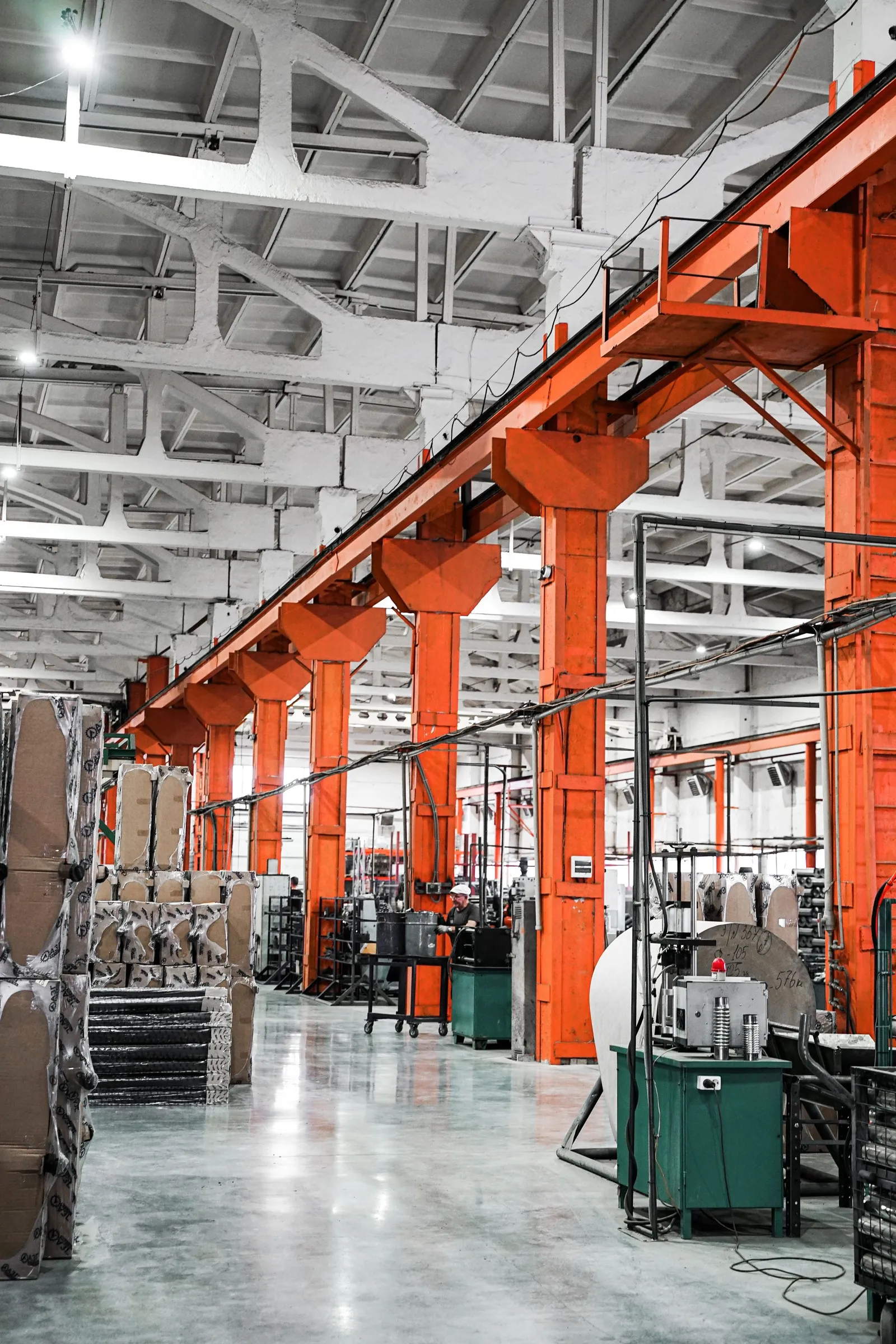
- A fully built industrial site in Michigan that has previously carried industry, with land permitted for industry and a grid connection inherited from that use. The US Federal government is engaged, and we are actively working with regional development agencies in Michigan. Fit out for copper processing is in development.
- Technology
- Proven Rautomead continuous casting, the established process for high-purity and oxygen-free copper rod, used in more than 40 countries. The first phase is designed for 12,000 tonnes per year, scaling to 25,000 tonnes in phase two.
- Commercial
- Feedstock, offtake and capital structure in active discussion, including with a major global trading house.
- Structure
- Privately held. Two entities behind one public face: exploration in Zambia and processing in the United States. No listed securities and no production yet.
What a diligence process gets
04The cheapest thing to inflate in mining is a number.
So it is worth saying what exists. There is no resource statement, because no resource has been declared. No financial statements are published, because the company is private and pre revenue. What a counterparty receives on request is the following.
- Licence and tenement documentation for the Zambian ground
- The exploration programme, its method, and the targeting work behind the ranking
- The processing case: site, configuration, capital estimate and the assumptions under it
- Every recurring figure with its source, its status, and whether it is actual, modelled or target
Enquiries
05- Contact
- Mweemba Ntembe
Director of Business Strategy and Investor Relations
Materials are provided to counterparties on request and under the usual confidentiality arrangements.
Nothing on this website is an offer of securities or investment advice.