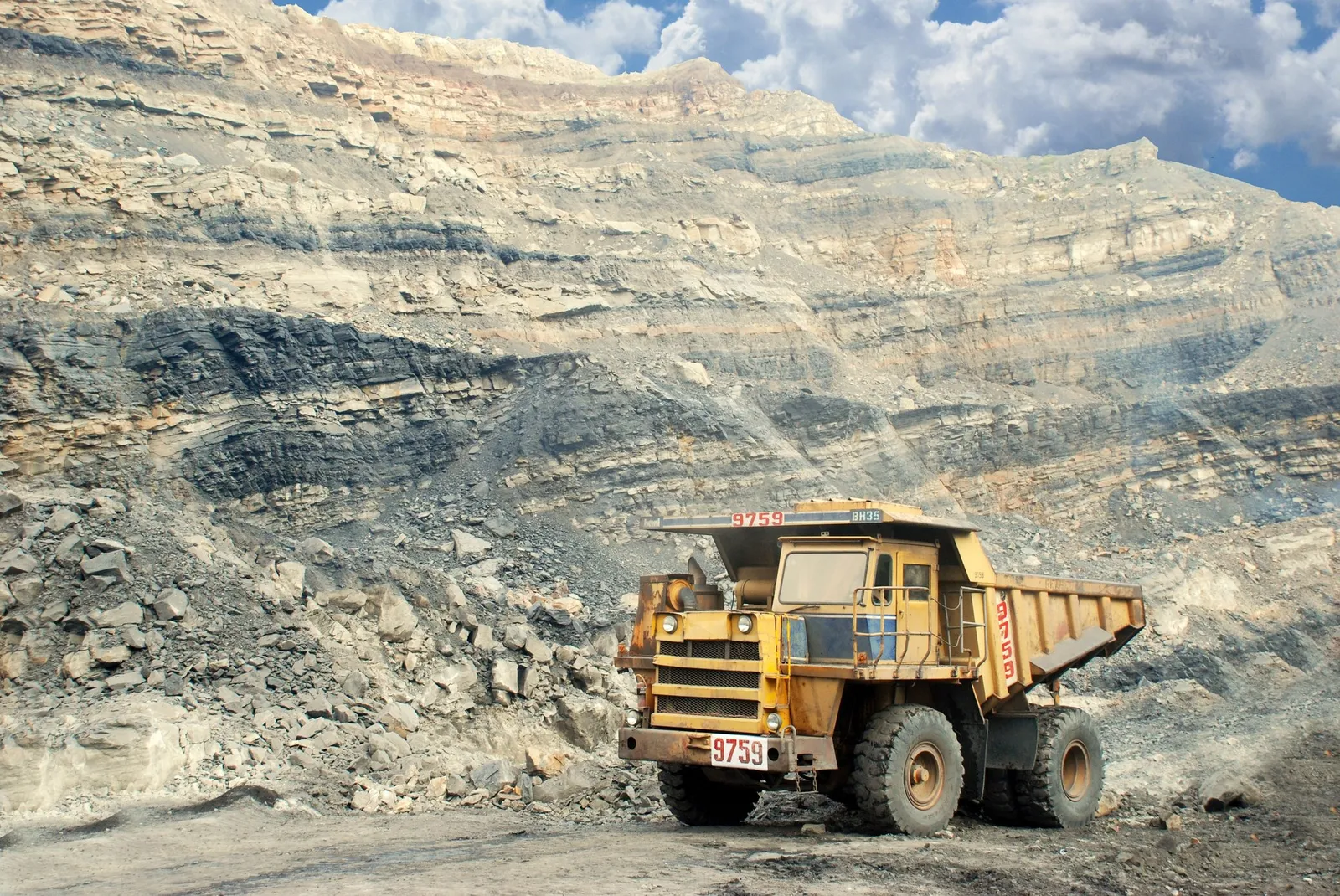
About
The world is not short of copper. It is short of the capability to get it.
A position on where the constraint actually sits, and a company built at the two points where it binds.
Where the scarcity actually is
01Every industrial age has rested on one material. Steel built the twentieth century. Copper is building the twenty first.
Copper is among the most abundant industrial metals on earth. Almost nothing about the current shortage is geological.
What became scarce is everything between an orebody and a finished conductor. Knowing where to drill. Permitting, measured in decades. Grades that have fallen for a generation. And refining capacity that closed and was never replaced.
Scarcity moved from the ground to the capability. Most of the industry is still priced as though it did not.
Why integration matters
02Value in this industry accrues wherever capability is hardest to replace. That point used to be the orebody. It is now the plant.
An explorer who sells concentrate is a price taker at exactly the link where the pricing power has moved. Integration is not about capturing more margin. It is about not being hostage to the one link you do not control.
- Explore. Rank ground on evidence before capital is committed
- Process. Convert concentrate into metal at the purities industry specifies
- Research. Publish the method, so the conclusions can be argued with
- Partner. Build alongside the governments and industries carrying the demand
The United States
03A country can decide to stop making something. Deciding to start again is much harder.
American primary copper refining contracted over three decades while the metal was treated as a commodity that could always be bought. The grid, transport, data centres and defence have since made that assumption expensive.
Bbabsal is developing processing capacity in Michigan, on a site that has already carried industry. That choice is the whole point, and the reason is below.
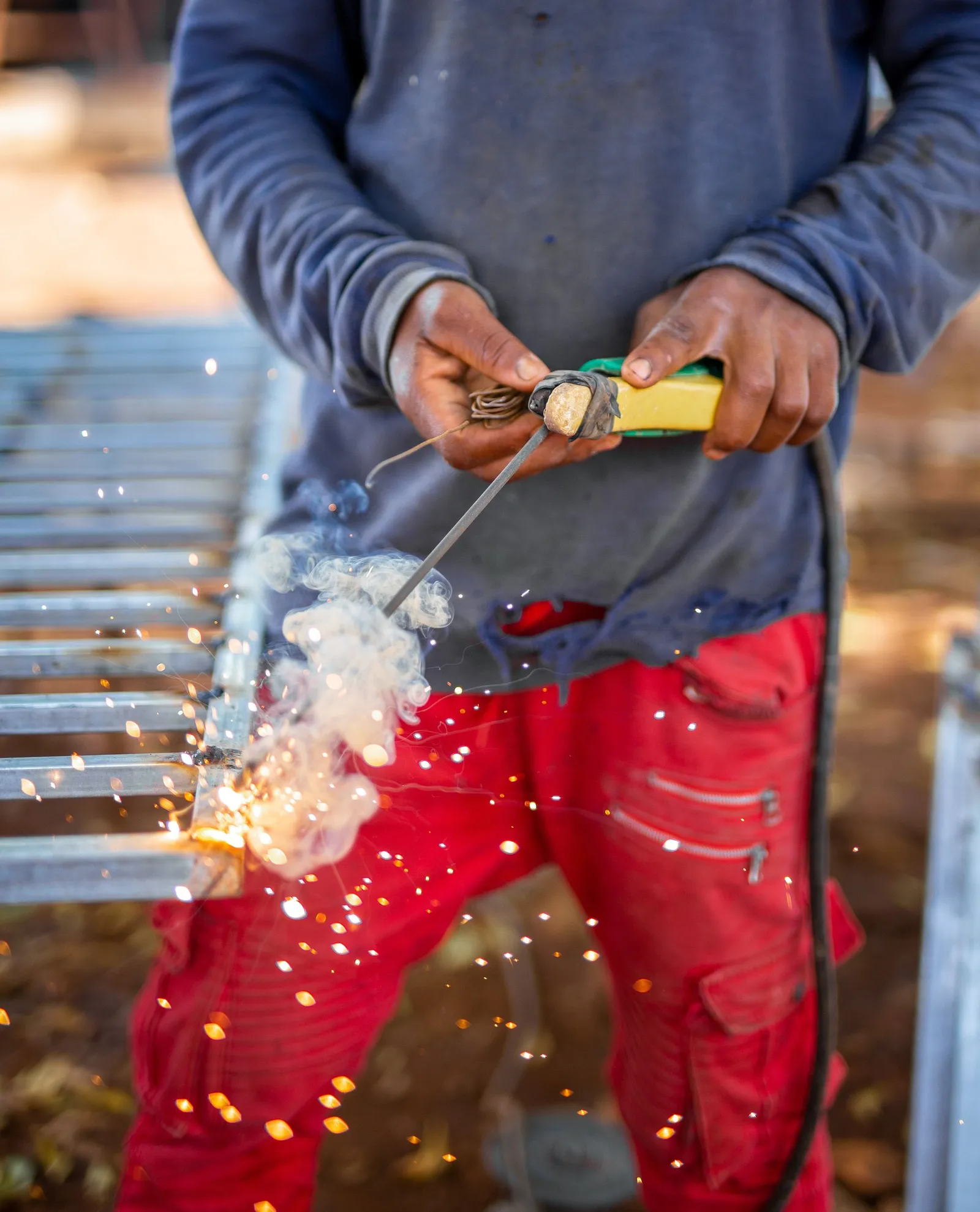
What an existing industrial site buys
A plant on new ground waits years for permits, power and people. A site that has already carried industry has usually solved two of the three, which is the difference between capacity arriving this decade and capacity arriving in the next one.
- Land already zoned and already permitted for industry
- A grid connection sized for a plant, already in place
- Trades and operators living within reach of the gate
- A community that has done this work before, and lost it
In development.
Zambia
04Africa has exported ore and imported finished goods for a century. Nobody breaks that pattern by describing it.
Zambia wants more of its copper processed at home. The processing capacity Bbabsal is developing is in the United States. Both are true, and we would rather set that out than leave it to be discovered.
Capability has to be built where it can be financed, permitted and sold. That is a constraint, not a preference. But a company that builds a plant once knows how to build the next one, and where the next one goes is a decision rather than a law of nature.
The intention is that Zambia does not stay permanently at the upstream end of someone else's chain. That is an intention. It is not a commitment and it is not a schedule.
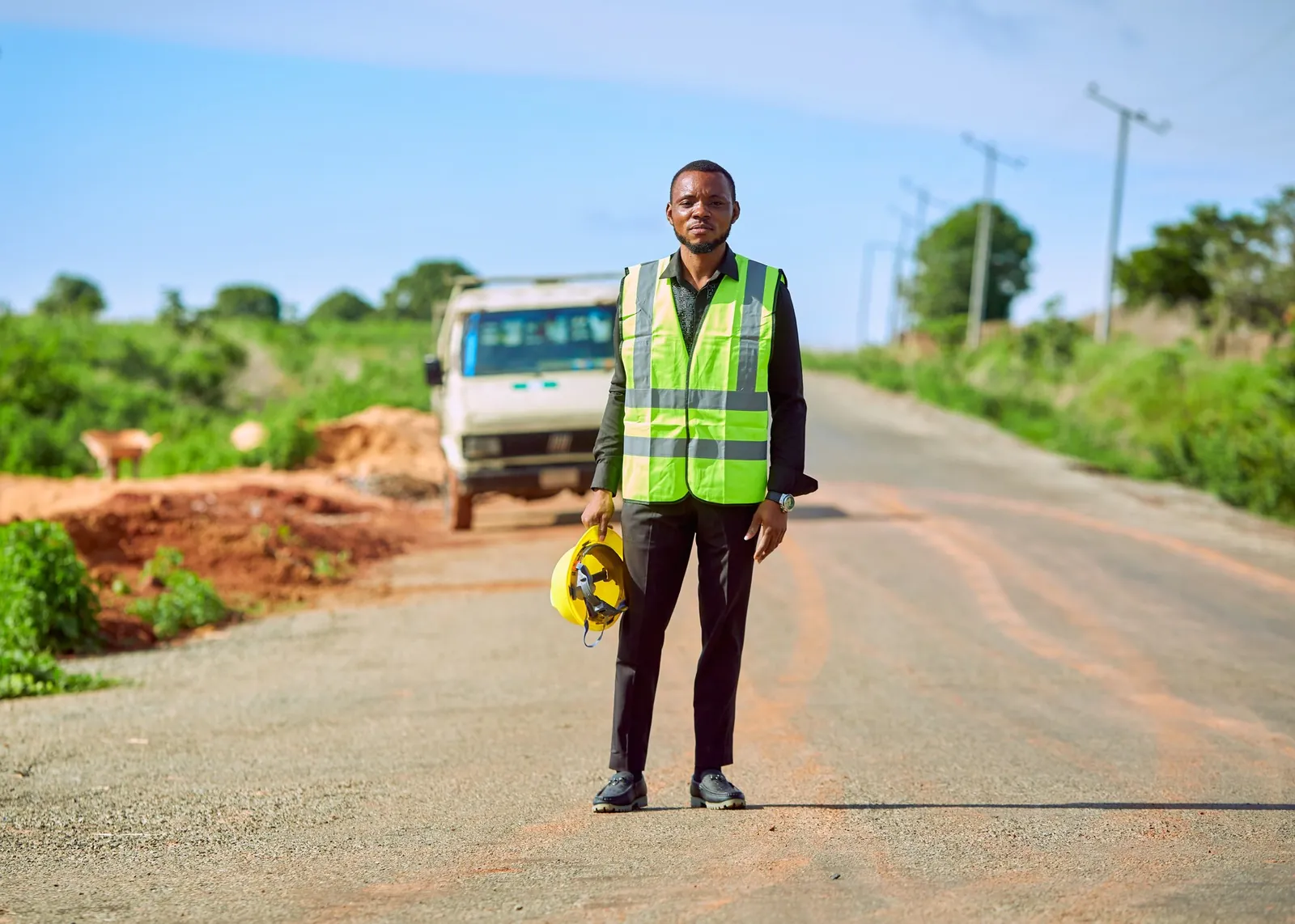
What stays in the country
An exploration programme is one of the few forms of foreign capital that has to be spent where the ground is. What matters is how much of it stays once the programme ends.
- A Zambian registered company holding the ground, not a branch office
- Exploration spend and employment in country for as long as the work runs
- Geoscience skills that remain with people after a programme closes
- Taxes and royalties payable where the ore is mined
Exploration underway.