Insights · Supply chains
Sourcing copper and cobalt from the Central African Copperbelt
The metal is where the geology put it. The demand is where the factories are. Between them sits everything difficult about critical minerals.
Where the metal is
The geologyThe largest sedimentary copper province on earth
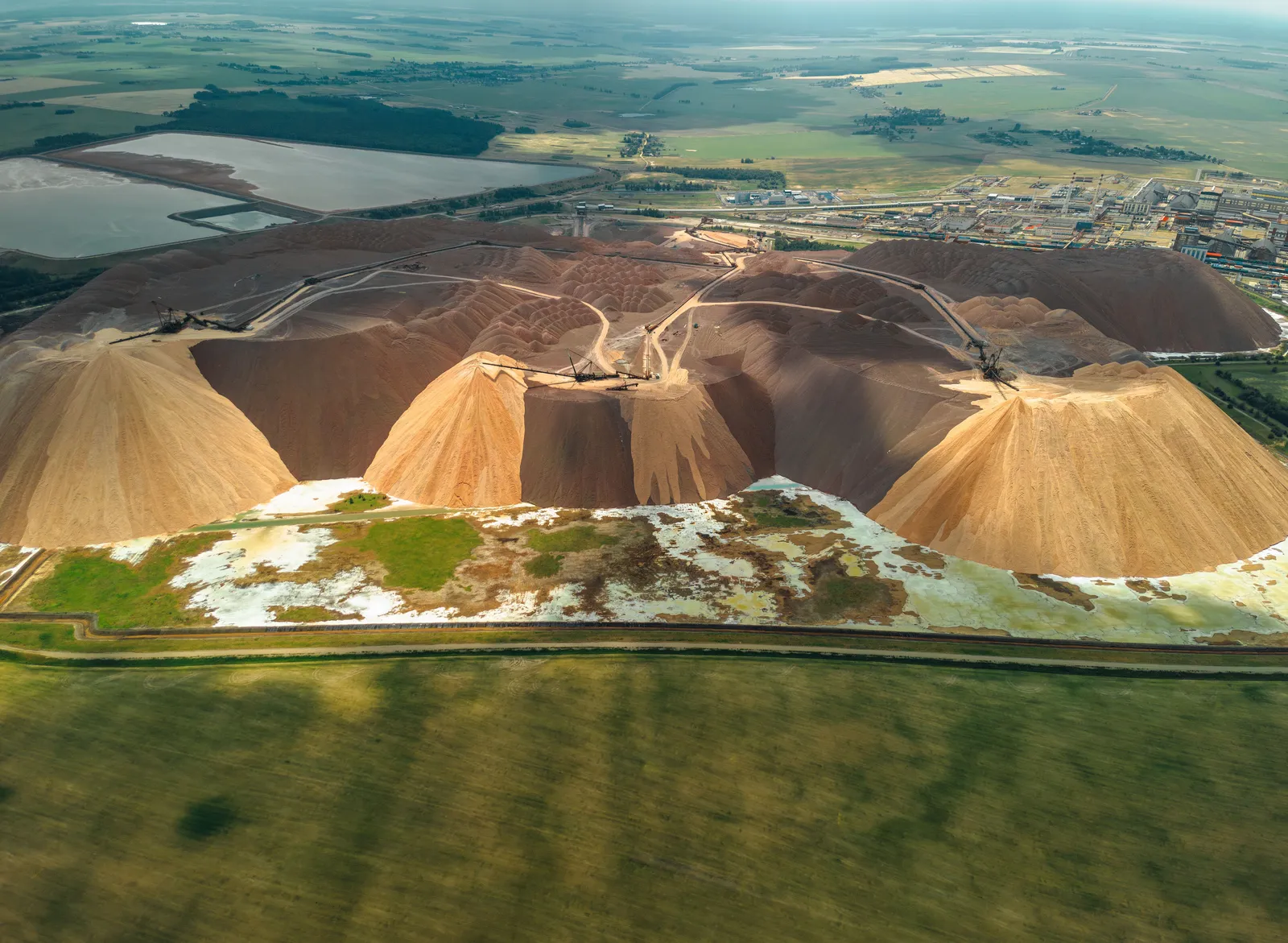
The Central African Copperbelt, spanning Zambia and the Democratic Republic of the Congo, holds the world’s richest sedimentary copper deposits, and much of its cobalt occurs alongside the copper. Any serious conversation about long term copper and cobalt supply runs through this province.
From ground to industry
The routeCopperbelt, Lobito, Michigan
Concentrate moves from the Copperbelt by rail to the Atlantic coast, then by sea to industrial demand. Distance is the cheap part of that problem. Capability, the refining and processing that turns concentrate into metal industry can specify, is the expensive part, and it is scarce at both ends of the route.
Where Bbabsal sits
Bbabsal is building an integrated value chain: exploration in Zambia through Bbabsal Mines, and processing capability in the United States through Bbabsal Industries. Nothing is yet in production, and Bbabsal says so plainly. Buyers looking for spot tonnage today are better served elsewhere; partners thinking in decades are the conversation we want.
For buyers and partners
The conversationWhat to ask any supplier
Where is the metal actually coming from, who verified the ground, what stands between today and first production, and who carries the community and environmental obligations along the way. Bbabsal answers those questions in writing before being asked.
Enquiries: info@bbabsalmines.com. Background: Operations and Commodities.